Divers Supply Logo

Need help?

Need Help 1.800.999.3483 

Close
Email for helpEmail Us
support@divers-supply.com
Help timeHours
Monday - Thursday 10AM - 7PM
Friday- Saturday: 10AM - 6PM
Sunday: 12PM - 5PM - EST

Your Account

Register

Brands  Current Specials

Buy Sea Scooters and DPVs

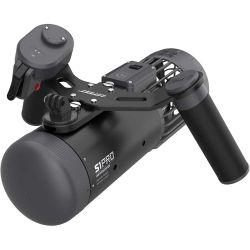
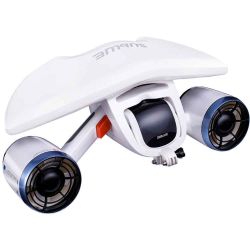
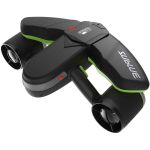
The right sea scooter can turn your underwater exploration into an even more amazing experience. A sea scooter lets you cover more reef area in less time, conserve air on long drift dives, or manage technical dives more precisely.
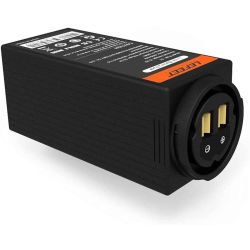
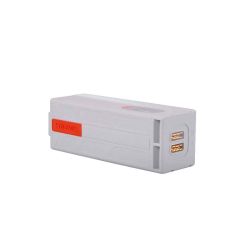
Navbow Battery

Navbow Battery

5.0 

Ships Separately

$199.00 Add to Cart


Divers Supply carries a wide selection of underwater propulsion devices from trusted manufacturers, including Lefeet, Nautica, Sublue, and Tusa. Depending on your expectations, dive styles, and performance requirements, we have the right sea scooter for you.

Key Takeaways

  • Conserve Energy and Air: Underwater scooters, also known as diver propulsion vehicles (DPVs), allow you to glide effortlessly, significantly reducing breathing rates and extending your bottom time.
  • Extensive Selection: From lightweight, travel-friendly recreational models to robust technical DPVs for cave and wreck diving, there is a diving scooter for every dive profile.
  • Motor and Battery Tech Matters: Understanding the difference between brushed and brushless motors, as well as Lithium-ion versus Lead-acid rechargeable battery options, is crucial for matching a scooter to your travel and performance needs.
  • Proper Maintenance is Vital: Routine freshwater rinsing and correct battery storage are the secrets to long-lasting equipment reliability.

Our Comprehensive Underwater Sea Scooter Selection

Our inventory includes everything from recreational underwater scooters for casual divers to high-performance DPVs built for technical applications. Specifically, recreational sea scooters reach speeds of 2-4 mph and have runtimes of 45-90 minutes. They are ideal for reef exploration, photography, and extending your effective range on vacation dives. These models are compact, airline-friendly, and simple to operate right out of the box.

And if you are a technical diver, we stock reliable systems with variable-speed controls, longer burn times, and the power to handle stage bottles and other equipment. Each item is built for cave diving, wreck penetration, and deep technical diving where you want maximum reliability and battery performance.

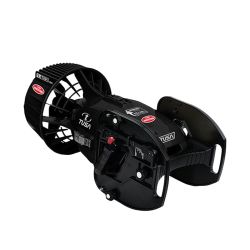
  • Tusa: Delivers dependable performance for recreational and light-technical applications, with intuitive controls and solid build quality that withstands regular use.
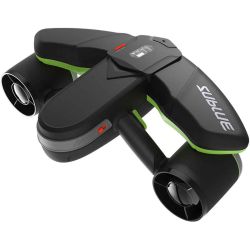
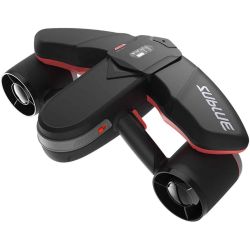
  • Sublue: Offers streamlined designs that underwater photographers and videographers want, providing precise maneuvering without bulk.
  • Nautica: Provides options through a wide range of performance expectations, from entry-level recreational units to serious technical DPVs.
  • Lefeet: Known for ultra-compact models that have become increasingly popular with travelers and snorkelers who want a portable diver propulsion vehicle with excellent performance.

Must-Have Accessories and Essential Add-Ons

A water scooter is only as useful as the equipment that supports it. Divers Supply offers replacement rechargeable batteries, fast charging systems, and power management accessories to keep your DPV operational between dives.

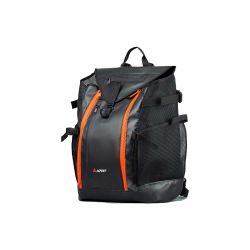
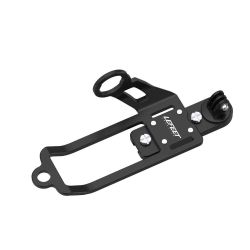
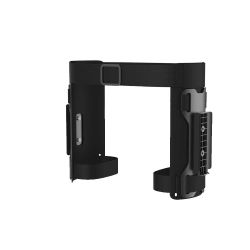
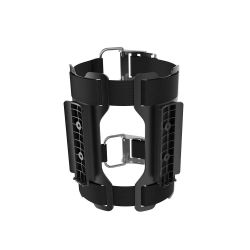
We provide mounting solutions that attach your action cameras, lights, or dive computers directly to your scooter, freeing up your hands for other tasks. Transport bags and hard cases protect your equipment during travel and storage, especially for when you travel by plane, where baggage handlers aren't known for their gentle touch.

Action camera mounts are among our most popular accessories. They give divers and snorkelers the freedom to shoot wide-angle reef footage or document wreck penetrations. A scooter-mounted GoPro or similar camera provides stable, smooth video that handheld shooting simply can't match.

Use Cases: Maximizing Extended Reef Exploration

Reef exploration at its best

Consider a popular reef dive in the clear blue water of Cozumel or the Florida Keys. Without an underwater scooter, you might cover 800-1,200 feet of reef during a 45-minute dive, limited by your swim pace speed and air consumption.

With a recreational DPV running at 3 mph, you can move fast and triple that distance while reducing your breathing rate at the same time. Because you're gliding rather than kicking, you experience less exertion and lower air consumption. This extended range makes reef exploration more fun, letting you reach distant reef features, follow marine life without disturbing them through aggressive finning, and return to the boat with gas to spare.

Underwater photography and wreck diving

For photographers, the difference is even more pronounced. Instead of fighting current to hold position for that perfect shot, you can use your scooter's variable speed to keep your position while your camera does the work. Wreck divers use this same principle to steer around large structures efficiently. You have more time to spend exploring underwater and less time traveling.

Technical divers and sea scooters

Technical divers use sea scooters differently, but they achieve the same efficiency gains. On a cave dive, a DPV lets you cover more passage on a given gas supply and opens up exploration routes that would be impractical on fin power alone. The key part is to match your scooter's speed and runtime to your specific dive plan. We can help you calculate it based on your typical profiles.

Choosing the Right Sea Scooter: Motors, Batteries, and Key Features

Advanced Motor Technology

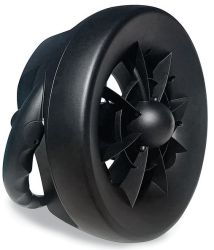
When evaluating sea scooters, understanding the propulsion system is vital. Modern DPVs typically feature either brushed or brushless motors, and some high-performance models use dual motors for extra thrust. Brushless motors are highly recommended for avid divers; they provide superior electrical efficiency, generate less heat, and offer a longer operational lifespan due to having fewer moving internal parts. They also tend to operate much more quietly, which is a massive benefit when approaching skittish marine life for photography.

Battery Life and Chemistry

Your battery choice dictates not only your underwater runtime but also your travel possibilities. Lithium-ion (Li-ion) batteries provide an exceptional power-to-weight ratio, allowing for incredibly compact scooter designs that still pack a punch. They maintain a consistent power output throughout the duration of the dive, ensuring you don't lose torque as the battery drains. However, air travel with lithium batteries requires strict adherence to TSA and airline regulations; typically, batteries must be under 100 Watt-hours (Wh) to fly in carry-on luggage without hassle, or up to 160Wh with special airline permission.

Conversely, traditional sealed lead-acid batteries are significantly heavier and bulkier. While they add weight to your kit, they are often more budget-friendly upfront and sometimes face fewer restrictions for checked baggage. To maximize battery life, smart power management is essential. Look for models with bright LED battery indicators so you can monitor your power reserves in real-time.

Speed, Runtime, and Buoyancy

Speed and runtime are your main criteria, but they're not the only factors. Weight and buoyancy are also key, especially when traveling: a 25-pound scooter that fits in checked luggage beats a 40-pound beast you can't take on the plane. Some units also offer adjustable buoyancy features, allowing you to dial in neutral buoyancy for both fresh and saltwater environments.

Depth Rating

A recreational scooter rated for 100 feet won't cut it on a 200-foot wreck dive, and pushing equipment beyond its rated depth is asking for an expensive failure. Always overestimate your depth needs.

Variable Speed Control

Experience requires variable speed control. The possibility to dial in precise speeds for different phases of your dive offers much better gas management, buddy coordination, and overall control.

Consider your diving expectations:

  • If you're diving warm water reefs twice a year on vacation, a compact recreational lithium model makes sense.
  • If you're doing weekly local dives in current-prone areas, you'll want a robust motor with high battery capacity.
  • Technical divers should focus on redundant systems, reliability, parts availability, and performance specifications that match their most demanding planned dives.

DPV Maintenance and Long-Term Durability

Sea scooters require regular maintenance, but nothing complicated:

  • Rinse thoroughly with fresh warm water after every dive, and pay extra attention to the propeller area, where sand, kelp, and debris tend to accumulate.
  • Store batteries according to the manufacturer's specifications. Lithium batteries prefer partial charges (around 50-60%) for long-term storage in a cool, dry place, while lead-acid batteries need to be stored fully charged to prevent sulfation.
  • Always inspect o-rings before each dive day. Clean and lightly lubricate them, and replace them at the first sign of wear, cracking, or compression.

Most catastrophic failures come from neglect, not overuse. A scooter that's rinsed, dried, and stored properly will outlast one that sits in a hot garage with salt residue eating away at the seals. We stock maintenance kits for all the brands we carry, so you can handle routine service yourself without shipping your scooter off for simple tasks.

Find Your Ideal Sea Scooter at Divers Supply

Whether you're exploring a shallow coral reef on vacation or pushing deeper into a technical cave system, the right sea scooter changes what's possible underwater. Divers Supply carries recreational and technical models from Lefeet, Nautica, Sublue, and Tusa, with the accessories and expertise to help you find the absolute perfect setup.

Browse our full underwater scooter selection online, or contact our team directly! We'll help you match the right model to your dive style, travel plans, and performance requirements.


Frequently Asked Questions (FAQs)

How long does a sea scooter battery last?

Runtime varies significantly by model, motor efficiency, and usage. Expect 45-90 minutes of continuous use for recreational units, and up to several hours for high-capacity technical DPVs. The overall battery lifespan (before a replacement core is needed) generally ranges from 200 to 500 charge cycles, depending heavily on battery chemistry and how well you maintain them.

Can I take an underwater scooter on an airplane?

It depends entirely on the battery type and its capacity. Many recreational underwater scooters with removable lithium batteries under 100Wh can fly as carry-on luggage, but you'll need to remove the battery and pack it according to strict airline regulations. Some high-capacity models exceed airline limits and must be shipped via ground transport separately. Always check with your airline before booking if you're planning to travel with your scooter.

What's the difference between recreational and technical sea scooters?

Technical DPVs offer far greater depth ratings (often 200+ feet), significantly longer runtimes, more powerful brushless motors, and the structural integrity to tow additional equipment weight like stage bottles. Because of this, they are considerably more expensive and heavier. Recreational models are designed to be lightweight, easy to carry, simple to operate, and affordable for warm-water vacation diving.

Do I need special training to use a sea scooter?

While not legally required for basic recreational diving, a DPV specialty course is highly recommended. Sea scooters dynamically change your buoyancy profile, your gas consumption patterns, and how you navigate underwater environments. A few hours of professional instruction will save you from expensive mistakes, prevent damage to fragile reefs, and make your diving significantly safer and more enjoyable.

How deep can sea scooters go?

Depth ratings vary widely by model and housing material. Recreational units typically rate to 100-130 feet (matching standard recreational dive limits), while robust technical models can handle 200-300+ feet of pressure. Always check the manufacturer's specifications and never exceed the rated depth. Pressure-related hull or seal failures can be catastrophic and are rarely covered under warranty.