We use cookies to enhance your experience on our website. By clicking “I Agree,” you consent to our use of cookies in accordance with our Privacy Policy. If you choose not to allow cookies on our website, some of the website’s functions may not be available to you. Learn more.

 1.800.999.3483


Hookah Dive System & Surface Air Diving Systems
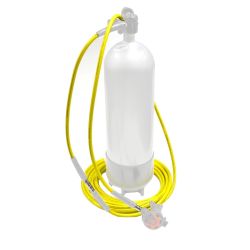
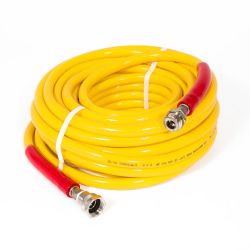
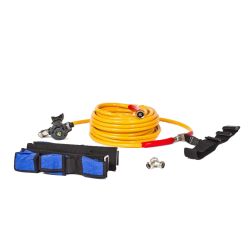
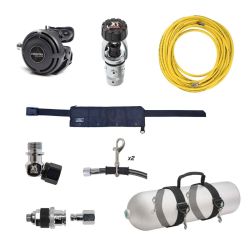

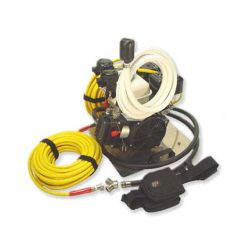
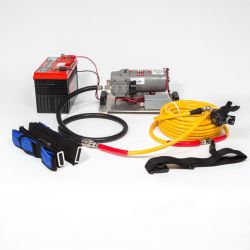
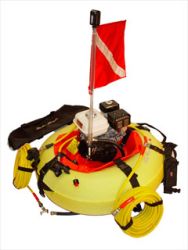
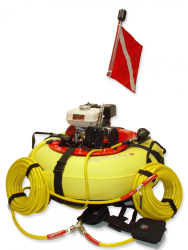
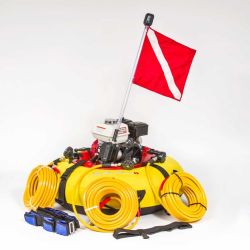
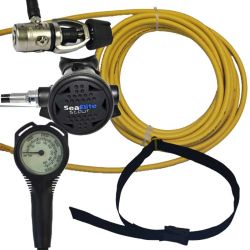
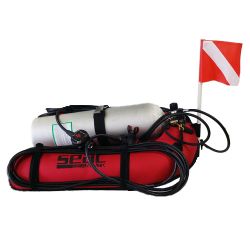
Diving Systems
Surface air diving systems provide oxygen from the surface rather than from a scuba tank on the back of the diver. These systems are usually found in commercial, scientific, and sometimes recreational diving. The main advantage? An extended dive time because you are not limited by your tank gas capacity.
While these surface air systems are not the most common, they often come in handy, especially when tankless diving is more efficient.
What’s in a Surface Air Diving System?
These types of diving systems are different from the open-circuit scuba dive equipment. They are made from several parts:
Air Compressor or Gas Supply
A high-capacity air compressor on the surface or a bank of high-pressure gas cylinders works as a third lung, providing the breathing gas, which is typically air, but can also be a nitrox or other mixed gas for deeper dives.
Umbilical Hose or Hookah
This multi-part air hose provides a continuous supply of breathing gas from the surface to the diver. It can also include lines for communication, a strength member to help lift weight or support the diver, and sometimes a hot water supply to keep the diver warm in cold water.
Diving Helmet or Full-Face Mask
Surface-supplied divers often use a diving helmet or full-face mask for a secure and reliable way to breathe. These accessories also protect their head and facilitate communication.
Buoyancy Control
Divers can control their buoyancy using a dry suit or a separate buoyancy compensator. The umbilical line's buoyancy often needs to be managed as well because divers can get entangled.
Communication System
Surface-supplied systems often include hard-wired communication systems to help divers speak directly with the surface team or other divers.
What’s So Practical About Surface Air Diving Systems?
While not mainstream, surface air diving systems can be quite practical and easy to use, especially for specific diving requirements.
Extended Dive Times
As the air supply is not limited by the capacity of a back-carried tank, divers can stay underwater for extended periods. This is great if you want to explore a large area of the underwater world, whether you’re a professional diver or a scientist. Divers diving for scientific purposes often have to carry tasks underwater that take time. There is no need to rush with a surface air supply.
Surface air diving systems are thus often used in commercial diving, such as underwater construction, salvage, inspection, and repair. They are also used in scientific research and military diving, where dives are often deeper, longer, or require a stable platform.
Depth Safety
The surface team can monitor and control the type and mixture of gas. The diver is safe as someone is checking the gas. Such a setup also minimizes the risks of nitrogen narcosis and decompression sickness.
Enhanced Safety
The diver is not alone. There is constant communication with the surface. In case of emergency, the surface team can deliver immediate assistance or adjust the gas mix as needed for the safety of the diver.
Cost-Effective for Long Dives
For extended or deep underwater work, surface-supplied systems can be more cost-effective and practical than scuba systems.
Why Are Surface Air Dive Systems More Expensive?
Surface air diving systems come with a package of sophisticated diving gear, including high-capacity air compressors, durable umbilicals, advanced communication systems, and specialized diving helmets or full-face masks. These tools and products are costly to manufacture compared to the relatively simple equipment used in scuba diving.
Also, surface air diving systems often include built-in redundancies, such as spare air supplies and emergency rescue equipment, to maximize diver safety. These additional safety features obviously increase the overall cost of the system.
Safety Considerations
How do the surface team and the diver handle safety?
Umbilical Management
The diver’s umbilical is a lifeline that supplies air, communications, and sometimes power for tools. It has to be as long as the diver wants to go. Divers must manage its length and avoid entanglements for a safe dive.
Emergency Procedures
Surface air diving systems have specific emergency procedures, including dealing with gas supply failures, umbilical issues, and rapid changes in diving conditions. Divers and surface teams are experienced and know how to respond to such emergencies.
Health Monitoring
The surface team can monitor the diver’s health and safety more directly, which adds an extra layer of safety during the dive. This includes monitoring run time, depth, and decompression status. They can provide immediate assistance if a problem pops up.
Shop Now
Are you interested in surface air diving systems? Contact us today to find the ideal system for you with our best price guarantee and free shipping for orders over $25!
Frequently Asked Questions
What is the maximum depth a surface air tankless diving system can reach?
The maximum depth for a surface air diving system is typically limited by the length of the umbilical and the type of breathing gas used. Generally, these systems are used for depths up to 60 meters (about 200 feet), but this can vary based on the diving equipment and operational protocols.
Can surface air diving systems be used in strong currents or rough seas?
Surface air diving systems can be used in a range of conditions such as strong currents and rough seas but it can be challenging. It requires careful planning and adjustment, such as securing the surface platform and managing the umbilical to prevent entanglement for the diver's safety.
Are there specific training programs for surface air diving system operators?
Yes, specific training programs are available for both divers and surface support personnel involved in surface air diving. These programs cover the technical use of the equipment, safety protocols, and emergency response, and often include certification from recognized diving authorities.
How does the communication system work in a surface air diving system?
Communication systems with a tankless dive system use either hard-wired (through cables) or wireless (through water acoustics) methods to allow divers to talk with the surface support team. The hard-wired system is more reliable and common as it provides clear and direct communication.
Filter
Shopping Options
Best Price Guarantee
Superior Selection
Full Warranty
Secure Shopping
40+ Years|since 1977