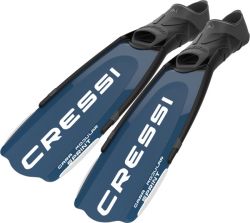
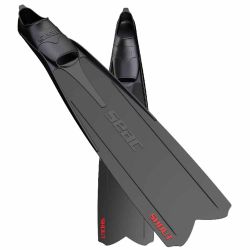
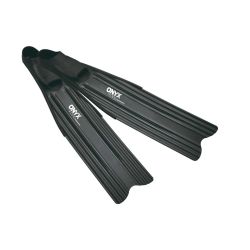
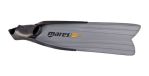
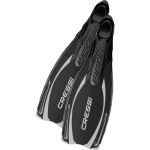
Long Blade Fins

Set Descending Direction
View as Grid List

36 items

Page
per page
  1. TUSA Freediving Fin Pocket Set
    Rating:
    0%
    As low as $144.00
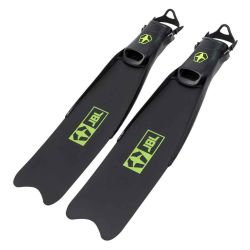
  2. TUSA Freediving Fin Blades
    Rating:
    0%
    As low as $399.00
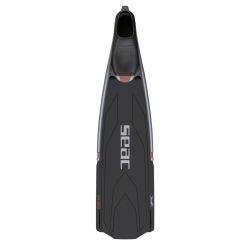
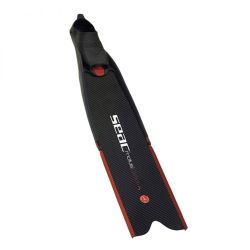
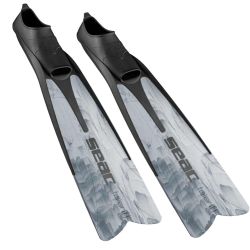
  3. Seac M-30 Full Foot Freediving Fins
    Rating:
    0%
    As low as $165.00
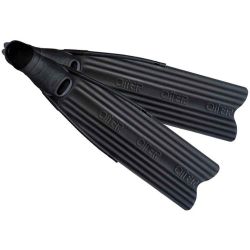
  4. Seac L30 Full Foot Freediving Fins
    Rating:
    0%
    As low as $119.90
  5. Tusa Lapis Freediving Fin Set (Unassembled)
    Rating:
    0%
    As low as $550.00
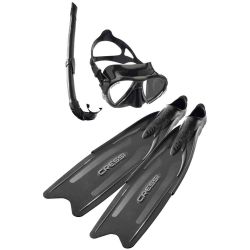
  6. Cressi Gara Modular Turbo Flex
    Rating:
    0%
    As low as $144.95
  7. Cressi Gara Modular Boost Fins
    Rating:
    0%
    As low as $149.95
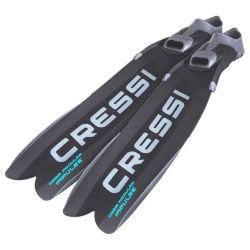
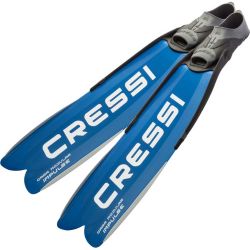
  8. Cressi Gara Modular Impulse Turbo
    Rating:
    0%
    As low as $184.95
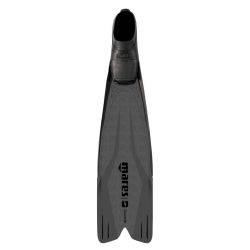
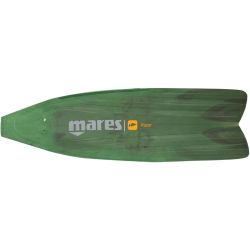
  9. Mares Concorde Fin
    Rating:
    0%
    As low as $99.95
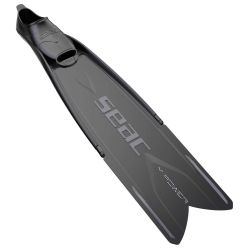
  10. Seac Talent Fins
    Rating:
    0%
    As low as $104.95
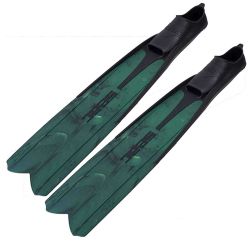
  11. Seac Shout Camo Longblade Fin
    Rating:
    0%
    As low as $110.00
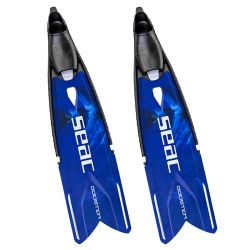
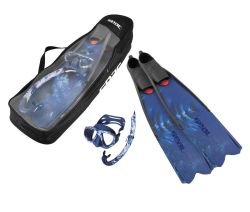
  12. Seac Motus Free Diving Camo Set
    Rating:
    0%
    As low as $220.80
Set Descending Direction
View as Grid List

36 items

Page
per page

If you want maximum propulsion in the water, then you have to get long blade fins.

Long-blade fins are designed to provide maximum propulsion and efficiency for free divers and spearfishers. These fins, with their extended blade length, are significantly longer than that of traditional scuba or snorkeling fins. This design helps divers to cover greater distances with less effort. Long-blade fins are ideal for deep dives and prolonged underwater excursions.

Key Features of Long Blade Fins
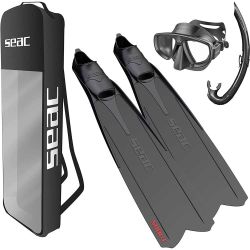
Blade Length and Flexibility

Long-blade fins are designed with blades that typically range from 30 to 40 inches (75 to 100 centimeters) in length. The extended length allows for greater surface area, which translates into more powerful thrusts with each kick. The flexibility of the blade also plays a role: it should be stiff enough to provide efficient propulsion but flexible enough to avoid causing excessive strain on the diver’s legs.

Materials

Long-blade fins are commonly made from materials like plastic, fiberglass, or carbon fiber. Plastic fins are usually the most affordable and durable and are a great choice for beginners. However, they may lack the performance characteristics needed for advanced diving. Of course, you can opt for more advanced fins like the Riffe Descender plastic fin model, which is a great option for daily spearfish dives. 

Fiberglass fins provide a good balance between flexibility, durability, and performance. They are suitable for intermediate divers looking to improve their diving.

Carbon fiber fins are lightweight and deliver absolute performance. They are the most efficient and responsive long-blade fins, favored by advanced divers, but come at a higher price point.

Foot Pockets

The foot pocket of long blade fins is designed to provide a secure and comfortable fit. They are usually made from soft rubber or silicone to accommodate a wide range of foot shapes and sizes. Remember that proper fit means effortless wear. It also translates into efficient energy transfer from the leg to the blade to minimize energy loss and maximize propulsion.

Dynamic Design

Long blade fins are designed to be streamlined and hydrodynamic. They reduce drag and help divers move smoothly through the water. This design minimizes resistance and makes it easier for divers to maintain a steady pace and conserve energy during long dives.

Efficiency and Energy Conservation

The primary advantage of long-blade fins is their ability to maximize propulsion while conserving energy. The extended blade length means divers can achieve significant forward motion with minimal effort. If you are free diving, this is particularly important because of breath-holding time limits underwater.

Selecting the Right Long Blade Fins:

Here is a quick guide to help you choose the right long-blade fins for your diving.

Diving Experience

If you are a beginner, start with plastic fins as they are affordable and durable.

If you have reached intermediate or advanced diving levels, you might prefer fiberglass or carbon fiber fins for better performance and efficiency.

Fit and Comfort

Make sure the foot pockets fit snugly without causing discomfort. Ill-fitting fins can lead to inefficient energy transfer and may cause blisters or foot fatigue. Why should you cut short your diving because your fins make you uncomfortable?

Dive Conditions

Consider the typical dive conditions you’ll be encountering. Stiffer blades are suitable for deep dives and strong currents. More flexible blades are ideal for shallow dives and calmer waters.

Budget

Long-blade fins come in a range of prices. While carbon fiber fins offer the best performance, they are also the most expensive. Balance your budget with your actual needs and diving frequency.

Maintaining Your Long-Blade Fins

You can extend the life of your long-blade fins with proper maintenance. Let’s take a look at the most common tips and advice.

Rinse with Fresh Water

After each dive, rinse your fins thoroughly with fresh water to remove salt, sand, and other debris.

Avoid Direct Sunlight

Prolonged exposure to sunlight can degrade the materials. Store your fins in a cool, shaded place.

Check for Damage

Inspect your fins for any signs of wear or damage, especially around the foot pockets and blade edges. If the foot pocket is damaged, it could hurt your feet when you wear your fins.

Proper Storage

Store your fins flat or in a fin bag to prevent warping or damage to the blades.

Long-Blade Fins from Divers Supply

At Divers Supply, we have long-blade fins of top manufacturers at the most competitive prices and only work with the top manufacturers. Shop now or send a special gift card to your loved ones and enjoy the ultimate diving experience with free shipping on all orders over $25!

FAQs

What are long blade fins used for?

Long-blade fins are usually for free diving and spearfishing. They provide maximum propulsion and efficiency and help divers cover greater distances and dive deeper with less effort compared to traditional scuba or snorkeling fins.

How do I choose the right stiffness for my long blade fins?

The right stiffness depends on your diving conditions and personal preference.

Stiffer blades are better for deep dives and strong currents as they provide more powerful thrusts. More flexible blades are great for shallow dives and calmer waters, as they offer greater comfort and reduced leg strain.

Can I use long blade fins for scuba diving?

Long blade fins can be used for scuba diving although they are specifically designed for free diving and spearfishing. Their length can make them less maneuverable in tight spaces or when performing precise movements required in scuba diving. Some divers also use them for specific types of dives where straight-line swimming and efficiency are necessary.