We use cookies to enhance your experience on our website. By clicking “I Agree,” you consent to our use of cookies in accordance with our Privacy Policy. If you choose not to allow cookies on our website, some of the website’s functions may not be available to you. Learn more.

 1.800.999.3483


Dive Computers

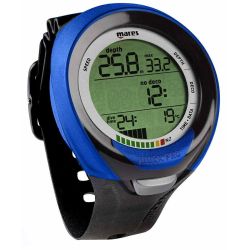
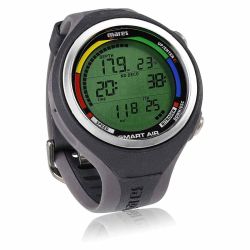
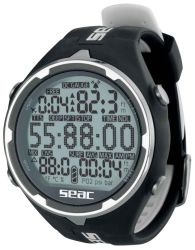
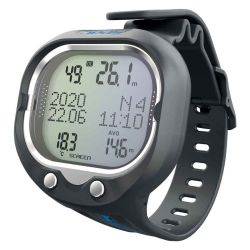
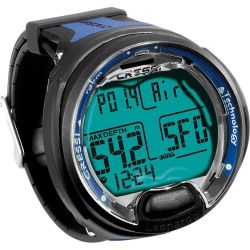
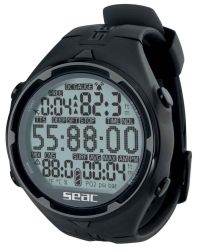
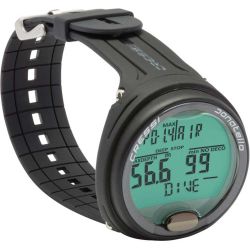
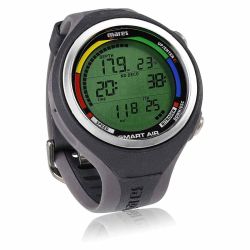
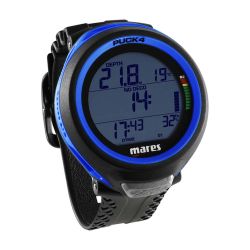
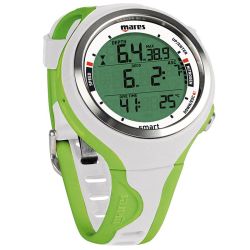
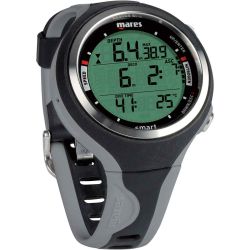
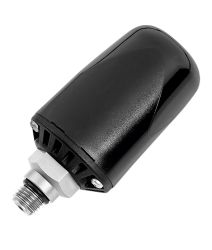
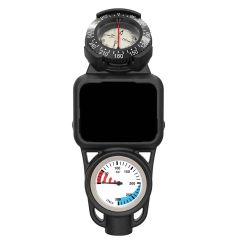
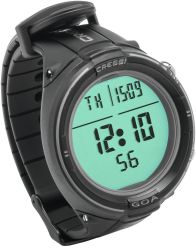
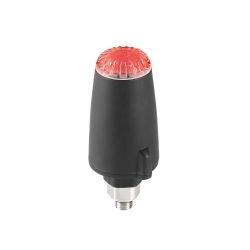
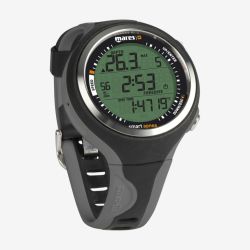
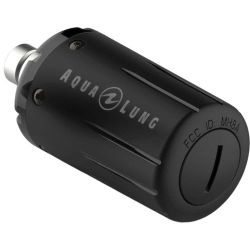
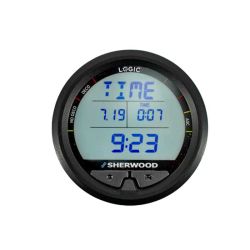
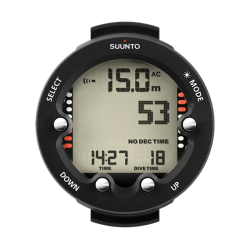
Your scuba gear package should include a dive computer to maximize your diving experience and your overall safety underwater. Our Divers Supply dive computer collection includes more than 100 top-quality and affordable dive computers to select the one that fits your needs and budget.
Dive computers are essential tools for modern scuba divers. They provide a way to monitor and manage dive data in real-time and significantly improve safety and convenience underwater.
Unlike traditional dive watches, which primarily tell time and sometimes include depth pressure gauges or bottom timers, air dive computers provide comprehensive dive information, automating calculations for decompression times, tracking dive time, depth and bottom, ascent rate, and integrating with dive tables to minimize the risk of decompression sickness (DCS).
Here's an overview of the key features and functionalities of dive computers.
What Does a Dive Computer Do?
Depth and Time Monitoring
Dive computers continuously monitor your depth and time underwater. That’s important because a computer can manage no-decompression limits (NDLs) and safety stops. This real-time data helps divers stay within safe diving limits.
Decompression Status
An air-integrated dive computer can calculate decompression status based on the diver's depth and time underwater. It uses algorithms to estimate the nitrogen absorption in the body and advises on safe ascent rates and necessary decompression stops to avoid DCS.
Ascent Rate Monitoring
Dive computers warn divers if their ascent rate is too fast which prevents DCS. The computer provides visual and/or audible alerts to slow down which provides for a safer ascent.
Nitrox Compatibility
Many dive computers allow divers to input their oxygen mix percentage (up to 100% O2), adjusting the decompression calculations for nitrox diving. This can extend the remaining bottom time compared to air diving.
Dive Planning and Log Function
Dive computers can store data from multiple dives. They also often include planning functions and operating modes that allow divers to input future dive profiles to manage residual nitrogen levels.
This historical log data can be downloaded to a computer or smartphone to let divers track their diving activity, conditions, and performance over time.
Air Integration
Some advanced models offer air integration, measuring the tank pressure wirelessly from a transmitter attached to the dive tank. This feature allows divers to monitor air consumption in real-time, calculate remaining air time (RAT), and manage air supply more efficiently.
Multi-Gas Capability
Advanced dive computers can manage multiple gas mixes to help with complex dive planning and execution in technical diving operations.
Digital Compass and GPS
High-end dive computers may include a digital compass, which is useful for navigation underwater. Some models also feature GPS for surface navigation, helping divers mark dive sites or locate entry/exit points.
Customizable Alarms and Display
Many dive computers offer customizable alarms for depth, time, ascent rate, and gas supply, as well as adjustable display settings to show the most relevant data that match the diver's needs.
Wearability and Design
Dive computers are available in various forms, including wrist-mounted models, watch-sized units, and console-mounted versions that integrate with a dive gauge. Whether you opt for a console dive computer or some other model, the choice depends on personal preference, the type of diving, and the need for portability.
What’s the Difference Between a Dive Watch and a Dive Computer?
Should I get a dive computer if I already have a dive watch? That’s a common question we get asked.
Our answer is that dive watches and dive computers serve different purposes.
Dive watches are geared towards timekeeping and they are designed to withstand the underwater environment's pressure. They feature a unidirectional rotating bezel used to track dive time manually. They can serve as a backup timing device for scuba divers but do not provide decompression information or depth readings.
Dive computers are sophisticated electronic devices that monitor and display a wide range of dive data in real time. This includes the current depth, dive time, ascent rate, and no-decompression limits. Dive computers use algorithms to calculate nitrogen absorption and release, based on the depth and time profile of the dive, and significantly reduce the risk of decompression sickness.
Their features often showcase visual and audible alarms for safety-critical information, such as too-fast ascent rates or approaching no-decompression limits. Many dive computers also offer additional functionalities like air integration, nitrox capability, digital compasses, and the ability to download dive logs for further analysis.
The main difference lies in their functionality and purpose, particularly when switching between a dive computer and a dive watch. While a dive watch is essentially a sturdy water-resistant watch with the added functionality of manually tracking dive time, a dive computer is a tool to boost dive safety and planning. Dive computers automate many of the calculations that divers would otherwise have to perform manually using dive tables and provide more precise and safer diving.
Dive watches are practical for divers who prefer a simple, durable timepiece that can withstand underwater conditions, possibly as a backup timing device. Dive computers are essential for divers looking for detailed dive data and safety features to support both recreational and technical diving activities.
How Do I Choose the Best Dive Computer for Me?
Are you about to choose your dive computer? Here is a little guide to help you make the best choice for your needs.
Choosing the best dive computer for your needs involves considering several factors that align with your diving style, experience level, and the type of diving you plan to do. Here's a comprehensive approach to selecting a dive computer that suits you best:
Diving Experience and Type
Beginners might prefer a simple, user-friendly computer with basic features like depth, time, and no-decompression limit (NDL) tracking.
Advanced and technical divers will benefit from more sophisticated models with detailed dive data, customizable alarms, and additional computer accessories including optional deep stop, high-visibility LED warning light, multi-gas capabilities, Bluetooth connectivity, and decompression information.
Ease of Use
Look for a dive computer data with an intuitive user interface and easy-to-read menus. A clear and legible display, possibly with a backlight for low-light conditions, is practical for reading dive data underwater.
Dive Conditions
Consider where you'll be diving. If you dive in colder waters, you might want a single-button computer that can be operated with gloves. For tropical diving, a wrist dive computer might be more appealing.
Dive Modes and Functionality
● Air Integration: Provides real-time monitoring of air consumption and tank pressure.
● Nitrox Compatibility: Essential for divers using enriched air nitrox.
● Multi-Gas Capability: Allows the use of different gas mixes on a single dive, important for technical diving.
● Downloadable Dive Logs: This enables you to transfer dive data to a computer or mobile device for detailed analysis and logging.
● Digital Compass: Useful for underwater navigation.
● Ascent Rate Monitor and Alarms: Helps prevent rapid ascents that can lead to decompression sickness.
Readability
A large, clear display with a user-friendly layout is crucial. Consider diving computers with customizable displays and accessories to show the information most important to you.
Battery Life and Type
Decide between user-replaceable batteries and rechargeable models. User-replaceable batteries offer convenience, especially in remote locations. Rechargeable units can be more budget-friendly and eco-friendly over time.
Durability and Build Quality
Look for wrist dive computers made from durable materials capable of withstanding harsh diving conditions. Remember that you should choose scuba diving computers with the appropriate water resistance for your diving adventures.
Brand Reputation and Support
Choose a reputable brand known for quality and reliability in dive computers. All our dive computers are Divers Supply and come from reputable and trusted brands and manufacturers. Consider the warranty, customer service, and access to maintenance and repairs.
Budget
Dive computers range from relatively affordable to high-end models with advanced features. Determine your budget early in the process but consider investing in a computer that can grow with your diving skills. If diving is a hobby you want to explore for years to come, a sturdier dive computer will be a good investment.
Future Diving Plans
Think about your future diving ambitions. If you plan to advance to more technical diving, investing in a computer with advanced features from the start can be more cost-effective than upgrading later.
The best dive computer for you is one that fits your current and future diving needs and offers the features you value most while falling within your budget. The purpose of a dive computer is to improve your dive safety and enjoyment without overwhelming you with unnecessary complexity. Consider your diving habits, the types of dives you plan to undertake, and the features that will best support your safety and diving goals.
Dive computers have revolutionized diving by enabling calculations to allow for safer and more accessible underwater experiences. They automate screen calculations and provide vital information at a glance, improving diver safety and convenience.
Take your time to research and compare models at Divers Supply and find the right product that fits your needs.
Our team of diving specialists is always available to help you find the right choice and give you full details on the dive computer that interests you.
Explore our wide range of dive computers, including popular models like the Mares Puck Pro, Cressi Goa, and Suunto Zoop Novo. With top-notch options such as the Oceanic Pro Plus and Oceanic Geo Air, there's never been a better time to learn to dive with confidence.
Remember, with purchases over $25 you enjoy free shipping. Moreover, according to our return policy, you have 60 days from the date of invoice to return the merchandise for a full refund!
Find today your perfect dive computer with the best price guarantee at Divers Supply and dive into your next adventure!
Filter
Shopping Options
Best Price Guarantee
Superior Selection
Full Warranty
Secure Shopping
40+ Years|since 1977